Explore Electronic Digital Pianos for Home, Practice, and Performance
Electronic digital pianos reproduce the playing experience and sound of an acoustic piano using digital audio technology, with designs suited to beginners, experienced players, homes, studios, and live performance. Unlike acoustic instruments, they do not rely on strings and a soundboard, and many models offer headphone practice, adjustable volume, and a selection of instrument voices. Product choices range from compact portable keyboards with piano-style keys to furniture-style console pianos designed for a more permanent setup. When comparing electronic digital pianos, consider how often the instrument will be moved, how much space is available, and whether piano realism, built-in learning tools, or performance flexibility matters most. Ubuy is a platform for discovering international products, including digital piano models and related accessories that may suit different playing needs.
- Options for practice, performance, and home use
- Digital sound with adjustable volume and headphone support
- Available in portable and console-style designs
Compare Portable, Console, and Stage Piano Types
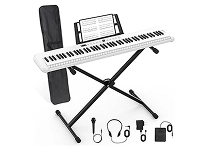
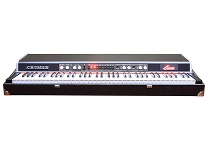
Portable digital pianos are generally lighter and easier to store or transport, making them useful for lessons, flexible home setups, and musicians who need to move equipment. Many require a separate stand and pedal, so include those items when planning a complete setup. Console digital pianos typically combine a weighted keyboard, built-in speakers, and a furniture-style cabinet; some include three pedals for familiar acoustic-piano control. Stage pianos are designed for performance and often prioritize accessible controls, a wide range of sounds, and connections for external amplification. Slab-style instruments can bridge home and stage use, depending on their weight and features. Compare the keyboard action, speaker arrangement, sound selection, dimensions, and included accessories rather than relying on the product label alone. The right format depends on where and how the instrument will be played.
- Portable models suit flexible spaces and travel between venues
- Console designs offer an integrated furniture-style setup
- Stage pianos prioritize performance controls and connections
Understand Key Action, Piano Sound, and Polyphony
Keyboard feel is central to a satisfying digital piano. Weighted keys use resistance to approximate an acoustic piano, while graded hammer action usually makes lower keys feel heavier than higher ones. Touch sensitivity lets playing force influence volume and expression; adjustable response settings can help match a player's technique. Sound quality depends on factors such as sampled or modeled piano tones, speaker design, and the instrument's ability to reproduce changes in dynamics. Polyphony describes how many notes can sound at once, including notes sustained by the pedal and layered voices; higher capacity can be useful for complex passages or accompaniment. Other useful features may include a metronome, recording functions, split or layer modes, and alternate instrument sounds. Brands such as Yamaha, Roland, Casio, and Kawai offer models with differing actions and sound approaches, so compare specifications and, when possible, try the keys.
- Weighted and graded actions influence playing feel
- Touch response supports expressive dynamics
- Polyphony affects sustained and layered passages
Check Connectivity, Pedals, and Essential Accessories
A digital piano's connections determine how easily it fits into a learning, recording, or performance setup. USB MIDI can connect compatible instruments to computers, tablets, or music software, while audio outputs may support external speakers, mixers, or recording equipment. Bluetooth features vary by model and can support audio playback or MIDI connections, so check which functions are included rather than assuming they are interchangeable. A sustain pedal is essential for many piano pieces; console instruments may include a pedal unit, while portable models often need a separately purchased pedal or compatible pedal board. A stable stand, bench, headphones, and suitable power supply can also make practice more comfortable. Check connector types, device requirements, and accessory compatibility before buying. Ubuy can help shoppers discover international digital pianos and accessories, with product details providing a useful starting point for checking the features of each item.
- Check USB, audio, and Bluetooth functions individually
- Confirm sustain pedal and stand requirements
- Match accessories to the instrument's connections
Choose a Piano for Learning, Practice, or Performance
Beginners may value a responsive weighted keyboard, a metronome, lesson functions, and headphone connectivity for focused practice. Players developing technique can look for realistic key action, a full 88-key range, recording capability, and enough polyphony for sustained pieces. For songwriting or home recording, USB MIDI, audio outputs, and compatibility with music software can be important. Performers may prioritize portability, quick access to sounds, reliable controls, and connections for amplification. Built-in speakers are convenient for everyday playing, while headphones allow quieter sessions; neither feature alone determines overall sound quality. Think about who will use the instrument, the music they play, and whether features like accompaniment, split keyboards, or multiple voices will genuinely be useful. A clear list of priorities helps narrow choices without paying attention to specifications that do not support the intended use.
- Learning tools can support regular practice
- Recording and MIDI features help with music production
- Performance needs may favor portability and direct controls
Select the Right electronic digital pianos
Start by setting a practical budget and measuring the intended playing area, including room for a stand, bench, and pedal use. Decide whether a portable keyboard or an integrated console best fits the space, then compare key count, action type, touch sensitivity, speaker output, and available sounds. Check the full package contents: a product may not include a bench, stand, sustain pedal, headphones, or compatible power adapter. Review connection specifications if you plan to use a computer, tablet, external speakers, or recording equipment. Consider weight and dimensions if the piano will be moved frequently, and read care guidance for keeping keys and controls clean. Ubuy offers a way to discover international products across digital piano styles; use the listed specifications and compatibility information to compare options carefully. Choosing according to playing goals, setup, and essential features can make it easier to find an instrument that supports long-term musical progress.
- Match dimensions and format to the available space
- Verify included components and device compatibility
- Prioritize features that support your playing goals